



Shimizu to Deploy AI-Powered Humanoid Robot Workers by 2030 to Ease Japan's Construction Labor Crisis
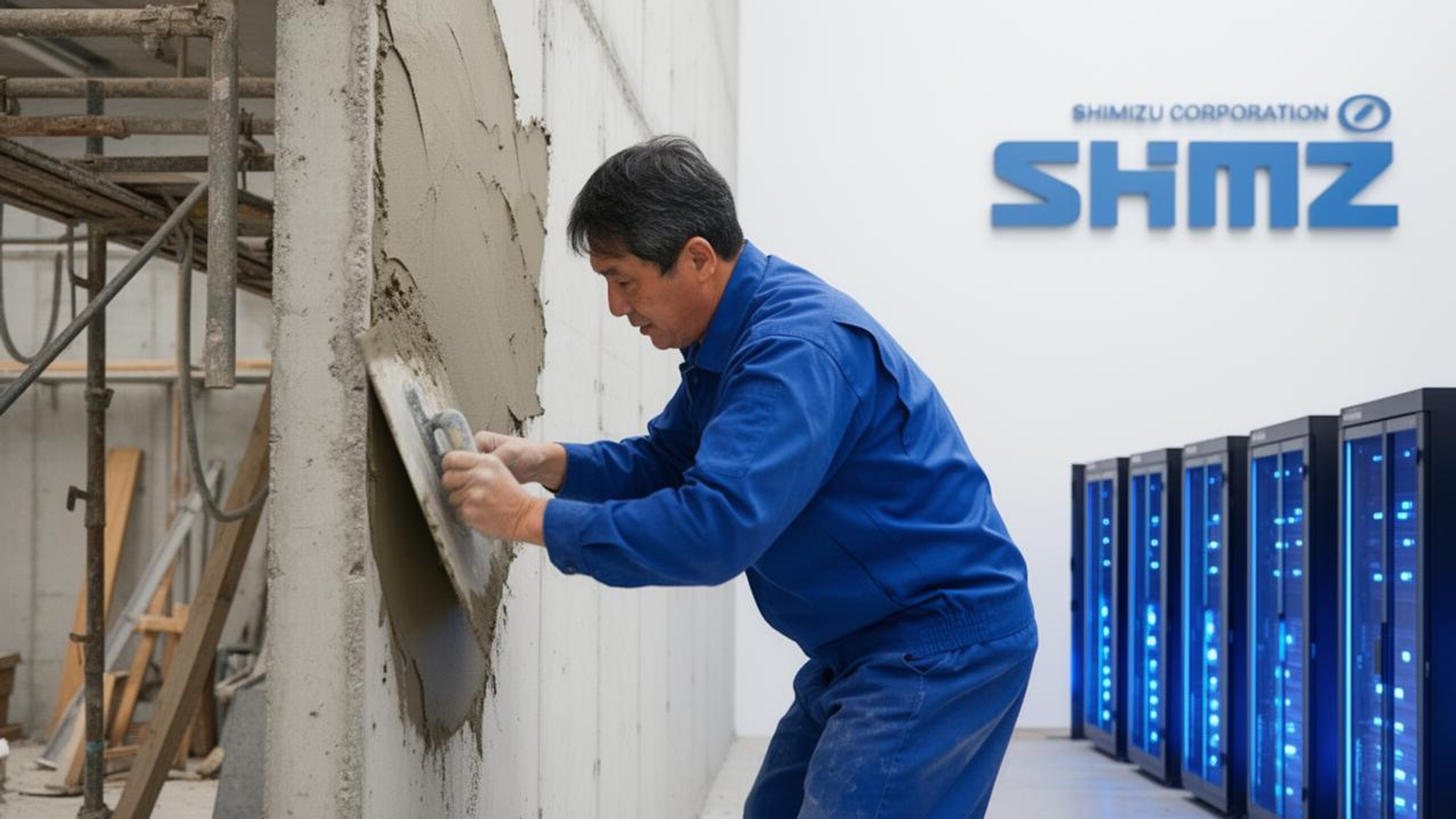
Shimizu Corp. (1803.T), one of Japan's leading general contractors, is charting a futuristic course to combat a crippling labor shortage by introducing autonomous humanoid robots to its construction sites around fiscal 2030. The Tokyo-based builder aims to deploy the AI-powered machines to handle intricate finishing tasks such as plastering and painting, working collaboratively alongside human crews in challenging environments like high-rise buildings. The initiative, reported by Nikkei, leverages a cutting-edge concept known as "physical AI"—an advanced form of artificial intelligence that enables robots to perceive their surroundings, make complex decisions, and execute precise physical movements autonomously. While traditional construction robots have been limited to repetitive, single-purpose tasks like reinforcing steel bars, transporting materials, or conducting site surveys, Shimizu's vision is to create a versatile robotic craftsman capable of adapting to the messy, unstructured reality of a building site. A single unit is being designed to master multiple trades. Unlike conventional automated machines that are fixed to a single function, Shimizu's humanoid is intended to switch between applying plaster to walls and spraying paint, mimicking the versatility of a skilled human worker. This multi-functionality is crucial in Japan's interior finishing sector, where the variety of tasks and the need for precision in confined, scaffold-laden spaces have made automation exceptionally difficult. Japan's construction industry is staring down a demographic cliff. The sector has long been one of the most labor-scarce in the world's fastest-aging society, and the situation is worsening as veteran artisans retire without enough young entrants to replace them. The government's push to cap overtime hours for construction workers, a reform designed to improve working conditions, has further tightened the labor market, accelerating the industry's search for technological solutions. Shimizu's strategy is not to replace humans entirely but to create a symbiotic work environment. By assigning robots to physically demanding and repetitive finishing work, the company hopes to alleviate the physical burden on its aging workforce while maintaining the quality standards for which Japanese construction is known. The robots are expected to handle the base coats of plaster or primary painting layers, allowing skilled human artisans to focus on the final, high-precision finishes that require an expert touch. The development of physical AI places Shimizu at the center of a global race to bring general-purpose humanoids out of the lab and into the real world. While factories with flat floors and predictable layouts have been easier to automate, construction sites present a dramatically harder problem: uneven terrain, varying light conditions, dust, and constantly changing layouts. Shimizu's project signals that the technology is maturing to a point where these obstacles can be navigated. By targeting the 2030 fiscal year, Shimizu is setting a timeline that aligns with both the projected peak of the retirement wave among skilled tradespeople and the expected maturation of physical AI capabilities. If successful, the robots could redefine productivity in an industry that has struggled for decades to mechanize the delicate art of interior finishing, potentially setting a new standard for construction automation worldwide.
Source: finance.biggo.com