What we do
Choose an area or go straight to a specific task. Each page explains what we build and what we need from you to begin. View services
Start with the problem
you want to remove
From a signal on site
to a decision in the office
01 / 05
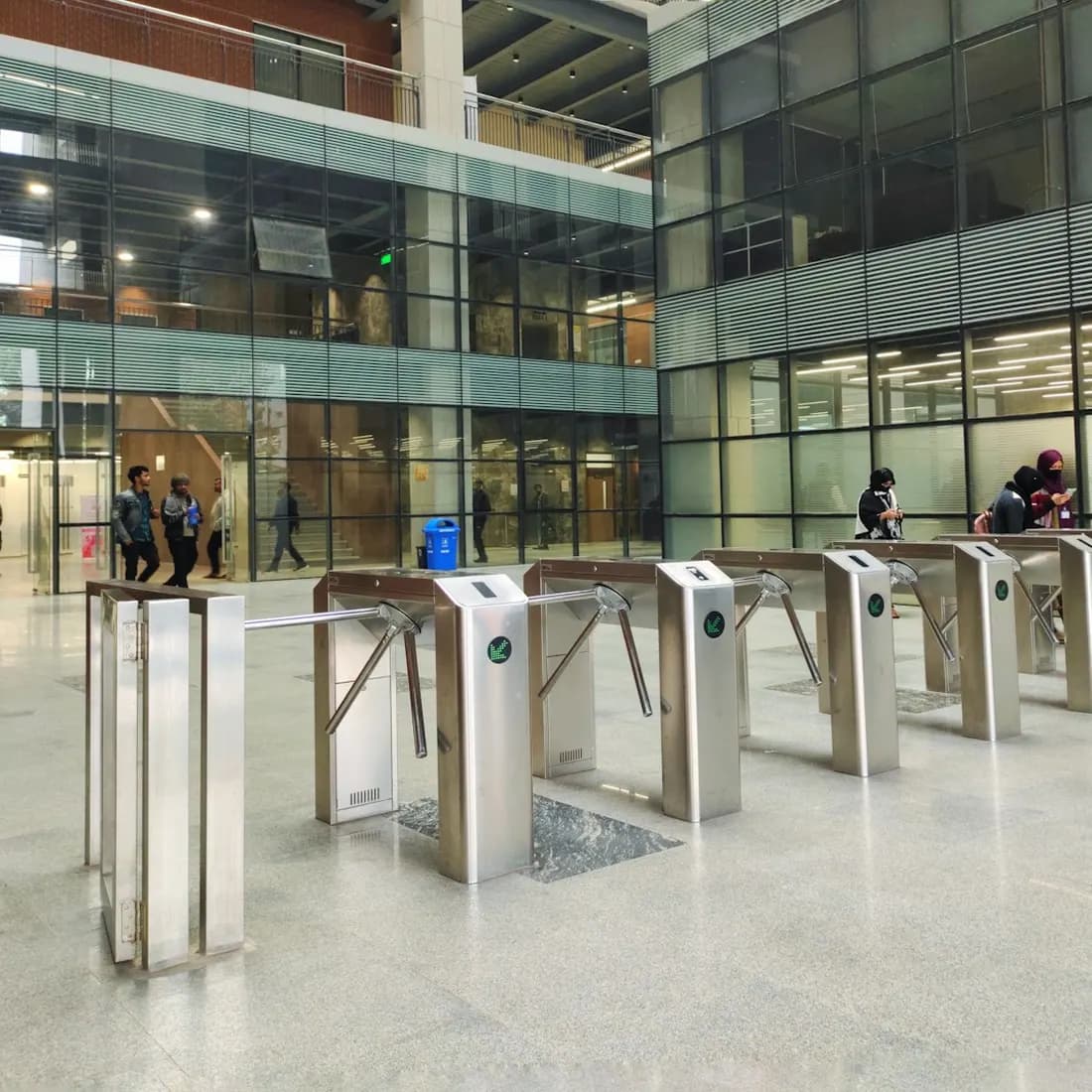
Who entered, where and when
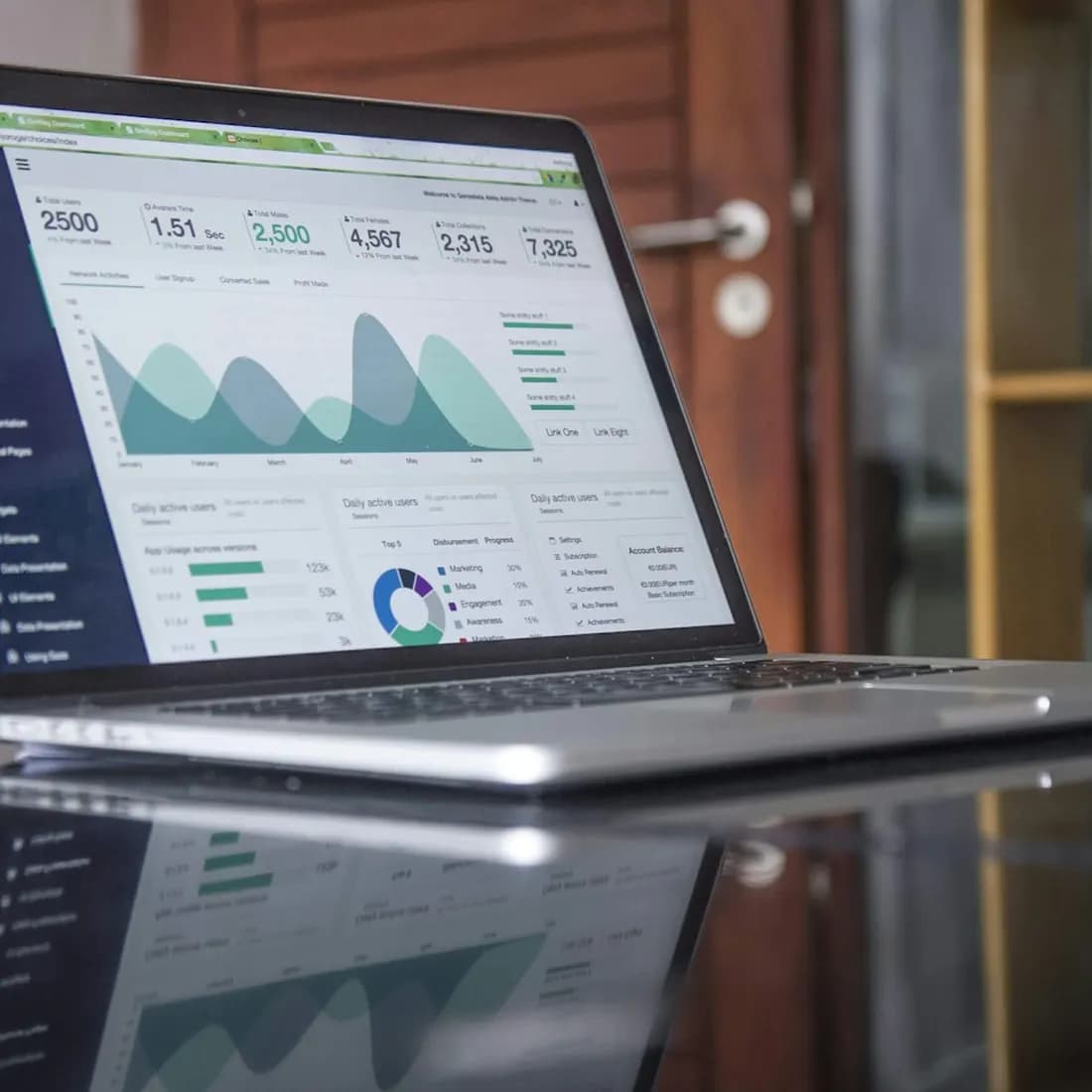
A card tap or face scan becomes a row in one shared record: person, door, direction and time. Security, HR and managers read the same data instead of separate device logs.
The same history produces the monthly timesheet and the list of out-of-hours entries.
Click through it
before you decide
Websites and digital products we have built, demo templates you can try, and internal demonstrations of our integration work.
Access & Attendance
UNV Face Recognition Access Panel
A working panel for UNV face-recognition terminals: live entries, lateness, refused attempts and remote door control, on simulated data or your own terminal.
Open the demo
What you keep
after launch
Built to be extended
Simple structure and visible logic, so adding a site or a report two years from now is a small job, not a rewrite.
Screens shaped by real questions
Each view starts from what someone asks every morning, and shows only the data that answers it.
Support terms before go-live
Who fixes what, how quickly and on which terms is settled before the first user logs in.
Written down as we build
You receive a description of every connection, data source and rule, so nobody on your side has to guess.
We work in the gap between equipment and business software.
Controllers, sensors and meters on one side; HR, ERP and reporting on the other. Read how we approach the work in between.
About StacklineHow a project runs
You know how your site runs. We turn that knowledge into software your team can rely on.
Step 1: Assessment
We list your devices, interfaces and data flows, the limits you work within and the reports people rely on.
Step 2: Planning
Architecture, deliverables and scope are put in writing before any build starts.
Step 3: Build and test
We build the integrations, dashboards, reports and automations, then test them against real scenarios.
Step 4: Support
If you want it, we maintain and watch over the system under a support plan.
Questions we hear often
Stackline is a software team in Tbilisi, Georgia, that connects on-site equipment with business software. We integrate access-control and attendance systems, monitor UPS units, server rooms and industrial devices over SNMP and Modbus, automate data transfers and reports, and build the dashboards and portals people use to work with that data.
Usually not. We start from what is already installed and check which interfaces it offers: an API, a database, export files, SNMP, Modbus or email alerts. Stackline does not sell or install hardware.
Yes. Our demonstrations run on simulated data. One of them is a panel for UNV face-recognition terminals with live entries, lateness, refused attempts and remote door control.
Yes. The collector can run on your own server, and a gateway forwards only the values you approve. Everything else stays on site.
A running system, a written description of how it is built and where its data comes from, and a handover session for your team. The exact list is part of the scope.
A few sentences about what takes too long or goes wrong today. From there we work out which systems, devices, data and people the first stage involves.
We write down the interfaces involved, our assumptions, the expected result and the limits of the first stage. Both sides sign off on that document before the build starts.
We run real scenarios and walk through the key steps with the people who will use the system. A connection that only works on a technical level does not count as done.
Yes. Maintenance, monitoring and response times are set out in a support plan written for each system.
What should run without manual effort?
Tell us about the equipment, software and constraints you work with. We'll reply with the first step we would take.