



Warm ocean water is moving toward Antarctica - why scientists are alarmed
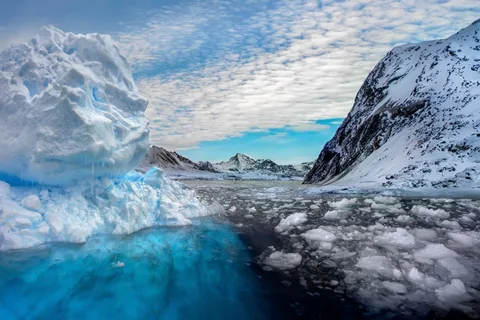
For a long time, scientists have worried that Antarctica’s ice shelves might be attacked from below, not just from warmer air above. The concern was that warmer deep ocean water could slowly creep closer to the continent, slide underneath the ice shelves, and start melting them from the bottom up. A new study led by the University of Cambridge found evidence that deep ocean heat has shifted closer to Antarctica over the past 20 years. This matters because the ice shelves ringing the continent help hold back the huge masses of land ice behind them. If those shelves weaken, the ice on land can start flowing into the ocean more quickly. The study used long-term observations from the Southern Ocean to show this change clearly.
The focus of the study is a body of water called circumpolar deep water, which is relatively warm compared with the colder layers near Antarctica. It moves around the continent deep below the surface. Researchers found that this warm water has expanded and moved closer to the Antarctic continental shelf over the last two decades. Lead author Joshua Lanham from the University of Cambridge said, 'It’s concerning, because this warm water can flow beneath Antarctic ice shelves, melting them from below and destabilizing them.'
Ice shelves are important because they act like a support, slowing the flow of glaciers and inland ice sheets behind them. If they weaken or collapse, more land ice can slip into the sea faster. Antarctica holds enough land ice to raise global sea levels by roughly 58 meters, though such a rise is not imminent. The Southern Ocean is difficult to study due to patchy ship-based measurements, so the team combined older ship observations with data from Argo floats, robotic instruments that drift through the upper ocean. Machine learning helped build a more comprehensive record over the last four decades.
Senior author Sarah Purkey from the Scripps Institution of Oceanography noted that Antarctica used to be protected by colder water, but now the ocean’s circulation has changed, allowing warmer water to push in. This aligns with climate models predicting that as the planet warms, less cold, dense water would form around Antarctica, allowing warmer circumpolar deep water to move in. The study confirms this scenario is already happening, with wider implications for global climate systems, including the Atlantic Meridional Overturning Circulation (AMOC).
Source: Earth.com