



World’s first open-source simulator expands access to advanced space robotics research
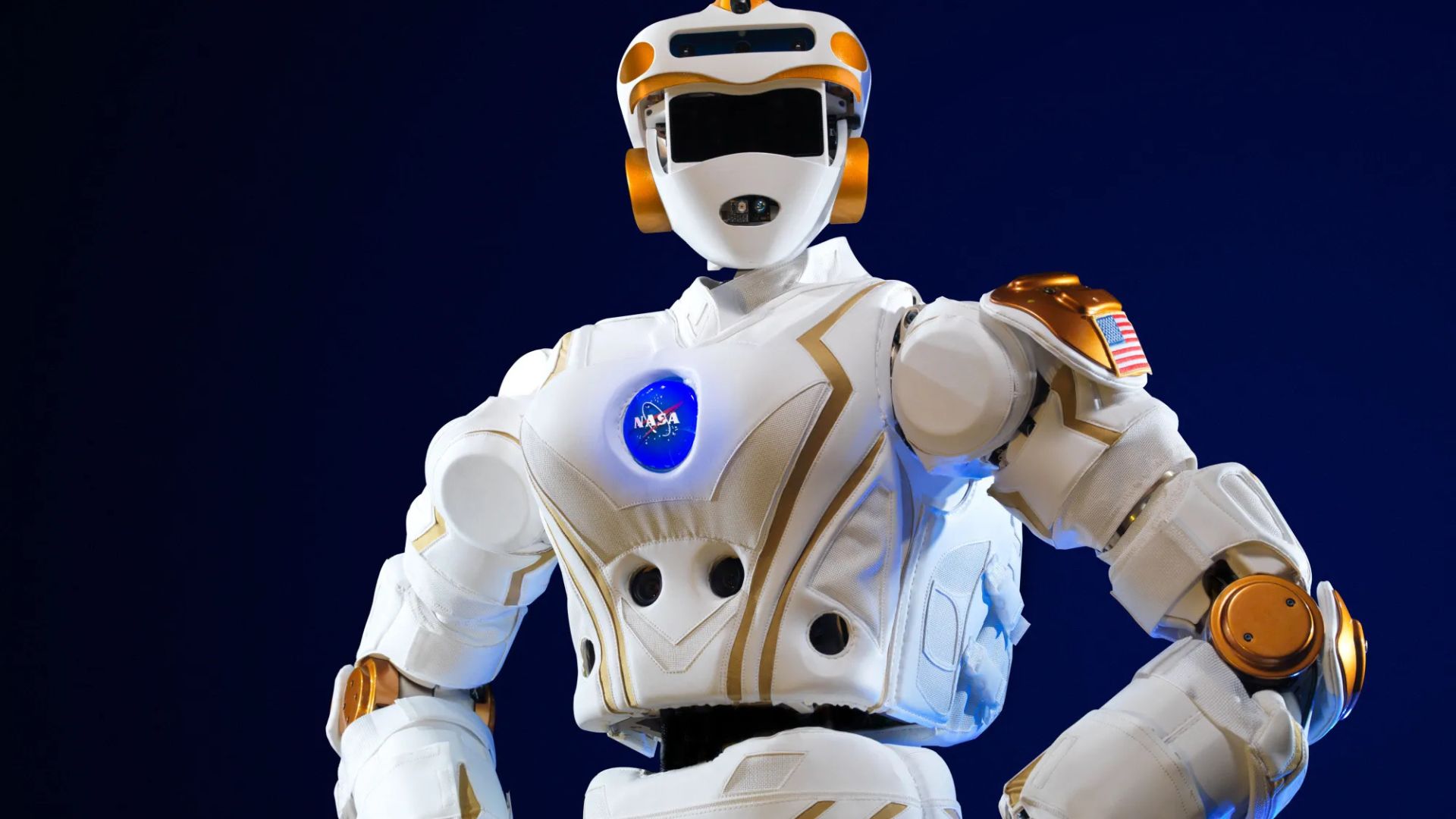
Rice University and NASA have launched the world’s first open-source dynamic simulation platform for developing and testing robots designed for use inside spacecraft and space habitats. The iMETRO Dynamic Simulation creates a high-fidelity digital twin of NASA Johnson Space Center’s iMETRO research facility, enabling researchers worldwide to develop, validate, and refine intravehicular robotic systems in a virtual environment. The platform was unveiled at the 2026 IEEE International Conference on Robotics and Automation (ICRA) in Vienna by a joint team from NASA and Rice. The developers say the open-source simulator will broaden access to advanced space robotics research while accelerating innovation for future human space missions. Open space simulator The iMETRO Dynamic Simulation is claimed to be the world’s first open-source simulation platform for intravehicular robotics, enabling researchers to develop, test, and validate robots for spacecraft and future space habitats while accelerating research for long-duration space missions. The platform serves as a digital twin of NASA’s physical iMETRO research facility at the Johnson Space Center. It accurately replicates the facility’s full-scale mockups of spacecraft interiors and lunar habitat environments, allowing developers to design and evaluate robotic systems in realistic virtual conditions before deploying them on physical hardware. Manipulator performing a placement task in a simulation environment. The simulation focuses on robot manipulators used for maintenance and logistics tasks inside spacecraft, known as intravehicular robotics. These robots are expected to handle routine activities such as transporting supplies, moving cargo, organizing equipment, and performing maintenance operations, reducing the workload on astronauts during extended missions to the Moon and beyond. A key feature of the simulator is its detailed model of an eight-degree-of-freedom robotic manipulator that represents a typical robotic platform for space operations. The modular architecture allows researchers to test new robotic software, hardware configurations, and operational workflows within reconfigurable spacecraft mockups, enabling rapid experimentation without requiring direct access to NASA’s physical facilities. To make the platform easier to use, it supports ROS 2, a widely used robotics software framework, and MuJoCo, a physics simulator that accurately models robot movements. Developers can use the same robot models in both environments without major changes. A built-in conversion tool also makes it easier to move robot software from the virtual simulation to real robots, reducing development time and improving compatibility. Digital twin advances The research team demonstrated the platform’s sim-to-real transfer capabilities by developing a robotic application entirely within the simulation and deploying it to the physical iMETRO facility in less than a day. The successful transfer highlights the digital twin’s accuracy and shows how robotics software can be rapidly validated before operating on real hardware, significantly shortening development cycles. According to the team, the simulator addresses one of the major challenges facing future human space exploration: maximizing astronaut productivity during long-duration missions. Routine maintenance and logistics consume a significant portion of crew time aboard spacecraft, and autonomous or remotely operated robots could assume many of these repetitive tasks, allowing astronauts to concentrate on scientific research and exploration activities. Historically, progress in space robotics has been limited by the lack of publicly available simulation environments capable of accurately reproducing the manipulation challenges encountered in microgravity and confined spacecraft interiors. Most development has relied on proprietary tools or restricted test facilities, limiting broader collaboration and innovation. By releasing the iMETRO Dynamic Simulation as an open-source platform, the project expands access to advanced space robotics research. “For the first time, this simulation will allow researchers around the world to remotely create and test new robotic software and validate how it integrates with and performs with various hardware configurations and operational paradigms at NASA’s physical test bed,” said Nikki Hart, a doctoral student at Rice and NASA Pathways intern, in a statement. The platform is expected to play a key role in advancing robotic technologies for upcoming lunar missions, orbital stations, and deep-space exploration.
Source: Interesting Engineering