



Apple completes its transition to Apple Silicon by dropping support for Intel-based Macs
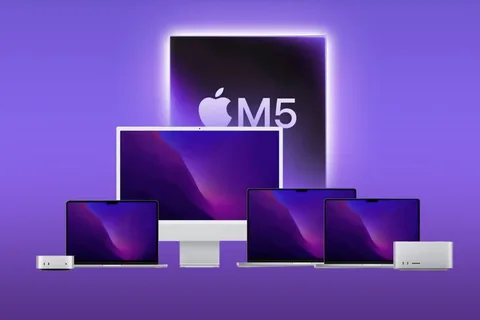
The 2019 MacBook Pro, 2020 MacBook Pro, 2020 iMac, and 2019 Mac Pro are all set to miss out on macOS 27, although security updates will continue. Tech Reporter Published Apr 22, 2026 6:45 PM CDT 2 minutes & 15 seconds read time TL;DR: Apple will end support for Intel-based Macs with macOS 27, making macOS 26 "Tahoe" the final version for these devices. The transition to in-house Apple Silicon, led by John Ternus, has improved efficiency and supply control, with Rosetta support continuing for two more macOS releases. Speed 0:00 / 0:00 Apple is about to put a bow on its transition to in-house Apple Silicon by dropping support for Intel-based Macs in the next macOS release. MacRumors reports that the company is about to stop supporting Macs with Intel CPUs starting with next year's macOS 27. This means that macOS 26, codenamed "Tahoe," will be the last macOS version to support Intel-based Macs. Currently, several Intel-based products in Apple's Mac lineup support macOS 26 Tahoe. These include the 16-inch MacBook Pro 2019, the 12-inch MacBook Pro 2020, the 27-inch iMac 2020, and the 2019 Mac Pro. These products are not expected to get support for the upcoming macOS 27 update, but they will get this year's latest macOS 26 "Tahoe" versions. They will also continue to get security updates for the next 3 years, which is crucial. This move signals the end of an era, as Intel is no longer a partner in Apple's Mac hardware products. Apple has moved to an in-house Silicon program since late 2020, starting with the M1 SoC . Apple's M-series SoCs have since evolved through 5 iterations, with the M5 Pro and M5 Max leading the current lineup. The M-series SoCs house the CPU, GPU, memory, and interconnected I/O on the same package, differentiating them from traditional x86 chips. Read more : Steam is now native on Apple Silicon, full optimization available now Read more : Rumor: macOS 26 may not support some more recent Macs including MacBook Air 2020 with Intel CPU Read more : Apple's fleet of future-gen MacBooks leaked: new M5, M6-powered laptops, and A18 Pro MacBook It must be said that Apple's decision to ditch Intel and transition to its own in-house Silicon was a big risk, but it paid off quite well. The task was headed by soon-to-be Apple CEO John Ternus , who helped successfully transition Apple's entire Mac, iMac, and MacBook lineup to Apple Silicon. Apple had already been making in-house A-series chips for its iPhones, but making an SoC for PCs was still a big undertaking. 2 Source: Apple VIEW GALLERY - 2 IMAGES Apple Silicon allowed them to internalize their production process and reduce reliance on external factors, thereby taking control of every part of the supply chain. Intel's x86 CPUs were already struggling to keep up due to their poor efficiency, and Apple's superior M-series chips were the perfect replacement. Apple has announced that Rosetta, the program that was designed to help with the transition to Apple Silicon, will be available for the next two major macOS releases. This will help developers make the jump to Apple Silicon if they haven't done so already. We will probably learn more about this transition at WWDC 2026 in June. In the meantime, it looks like the end of the road for Intel chips in Apple's Mac products. Best Deals: Apple MacBook Pro Laptop Today 7 days ago 30 days ago $1599 USD - - Buy $1599 USD - - Buy $1599 USD - - Buy $1599 USD - - Buy Check Price Check Price Check Price Buy * Prices last scanned 4/22/2026 at 5:55 pm CDT - prices may be inaccurate. As an Amazon Associate, we earn from qualifying purchases. We earn affiliate commission from any Newegg or PCCG sales. Join Our Newsletter Join the TweakTown Newsletter for daily tech updates delivered to your inbox. Plus, win awesome prizes in our exclusive subscriber-only global giveaways! By subscribing, you agree to our Privacy Policy . You can unsubscribe anytime, and your data will not be shared without your consent. Hassam Nasir Tech Reporter Hassam is a veteran tech journalist and editor with over eight years of experience embedded in the consumer electronics industry. His obsession with hardware began with childhood experiments involving semiconductors, a curiosity that evolved into a career dedicated to deconstructing the complex silicon that powers our world. From benchmarking PC internals to stress-testing flagship CPUs and GPUs, Hassam specializes in translating high-level engineering into deep, unbiased insights for the enthusiast community.
Source: TweakTown