



FCC Moves to Speed Satellite License Reviews, Boosting SpaceX and Rival Broadband Networks
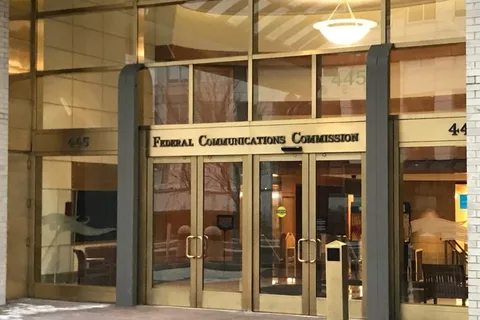
The Federal Communications Commission (FCC) said Wednesday it will vote July 22 on a sweeping Space Modernization Order that aims to cut satellite licensing timelines from more than a year to weeks or months, potentially accelerating the rollout of next-generation space broadband. FCC Seeks Faster Reviews For Satellite Licenses The FCC, in a Fact Sheet, said the order is intended to speed satellite and earth station approvals, "significantly reducing red tape and boosting the rollout of space-based broadband." The proposed rules mark the culmination of the agency’s push to eliminate outdated licensing requirements and create what it calls a "licensing assembly line," making the process more predictable and easier for companies to navigate. "While the United States is already the world leader in commercial space, the industry is rapidly moving to build the space infrastructure of the future. In pursuit of this goal, the Commission must ensure the United States is the best place for the space industry to build, operate, and license innovative space-based systems," the FCC said. SpaceX And Rivals Could Benefit From Rules According to a PCMag report, the proposal is designed to account for companies, especially SpaceX, building and modifying satellite systems much faster than older, high-orbit geostationary operators. Starlink launched commercially in late 2020 and has since grown to more than 12 million active customers worldwide. The FCC’s new approach would review qualifying applications under a presumption that approval serves the public interest if they meet the commission’s rules and policies. The order also comes after the FCC voted earlier this year to update decades-old satellite spectrum-sharing rules. The move could give Starlink a capacity boost of up to sevenfold by easing limits affecting non-geostationary satellite systems.
Source: Benzinga