

Inside Anthropic's Trump Showdown: Sales Stay Strong
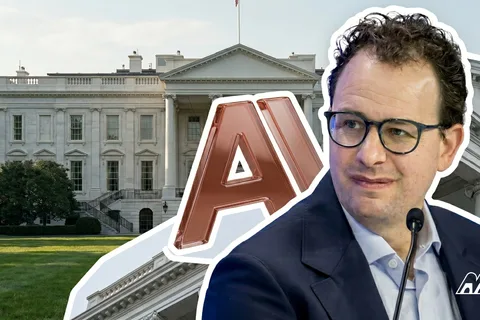
Anthropic faced Trump administration pressure and was blacklisted by the Pentagon in March 2026 , yet business spending on its AI tools continued climbing. According to Ramp’s spending data, Anthropic recorded its highest adoption month during the very month it got blacklisted. This result proved industry expectations wrong, despite the company’s warning that the designation could cost hundreds of millions in short-term revenue. A Blacklist That Backfired In March 2026 , the Pentagon declared Anthropic a “ supply chain risk “, after the company refused to let Claude be used for autonomous weapons or domestic surveillance. President Trump ordered federal agencies to stop using Anthropic’s tools. Anthropic’s lawsuit warned the designation could cost hundreds of millions in short-term revenue , but industry expectations proved wrong. Ramp spending data showed Anthropic hit its strongest adoption month during the blacklist period. Ara Kharazian, Ramp’s lead economist, told TechCrunch : “There’s a lot of aura that comes with your model specifically being named too dangerous to use.” Ramp’s data shows business adoption grew significantly after the blacklist. Some buyers interpret regulatory scrutiny as a signal of strategic importance. The growth was driven largely by Claude Code , now a staple for engineering teams at major companies. Then the Government Pulled the Plug Again Anthropic launched Fable 5 and Mythos 5 in early June 2026 . Three days later, the U.S. government sent an export control directive ordering Anthropic to block foreign nationals, including its foreign-born staff, from accessing either model. Anthropic disabled both models globally since it couldn’t filter by nationality in real time. The company received the order at 5:21 p.m. ET Friday and pulled the plug within hours. Other Claude models kept working normally. This action signals how the U.S. may regulate frontier AI models broadly. The government’s concern traced to a narrow jailbreak exposing Mythos’s cybersecurity capabilities. Anthropic argued the flaw was minor and noted similar issues exist in competitor models . In its blog post, Anthropic stated this standard would “essentially halt all new model deployments for all frontier model providers.” Both models were disabled globally, not just for foreign nationals, and foreign-born employees lost access too. Why Businesses Kept Buying Anyway Companies aren’t waiting on government approval. Claude Code is deeply embedded in engineering workflows. Ripping it out over a political dispute isn’t quick, especially after developer integration. Switching vendors is expensive due to workflow disruption. The reaction on X also shows how this story is landing publicly. Some users framed the backlash as proof that Anthropic has become strategically important, while others argued the company was being unfairly targeted for political reasons. That split mirrors the broader market response: when the government says a model is too dangerous, some buyers hear “too powerful to ignore.” Buyers prioritize capability over political concerns. Ramp’s data shows this lines up with real purchasing behavior. Ramp’s data can’t measure revenue loss from disabled models, since those losses wouldn’t show up in spending trends. A Dangerous Precedent for the Industry Mashable and Wired reported this move “sets a dangerous precedent for the entire AI industry,” with implications extending well beyond Anthropic’s own situation. The New York Times reported “surprise restrictions Friday cut off foreign access” to Anthropic’s best models, sparking another round of finger-pointing inside Washington. Frontier AI companies now face uncertain deployment timelines when launching new models. The precedent establishes that the U.S. government can order immediate, worldwide model disabling without public explanation of the underlying security concern . This creates a knock-on effect: companies must now build contingency plans for sudden restrictions, which affects how they structure product roadmaps, communicate with investors, and plan release cycles. Legal teams are already factoring export control uncertainty into risk assessments. The government ordered a model disabled worldwide over unexplained national security concerns. That’s a new kind of risk every frontier AI company must plan around , regardless of how their own sales numbers hold up. What This Means Going Forward The bigger risk for Anthropic isn’t lost sales but optics heading into future fundraising. Public market investors demand clearer regulatory certainty than enterprise buyers who focus on operational value. Management teams must balance innovation speed with regulatory compliance in ways that weren’t as critical in previous technology cycles. Government pressure may increase scrutiny, but enterprise demand for powerful AI continues growing. Regulation alone may not slow AI adoption when customers see operational value. This tension between regulatory caution and market momentum will likely define the next phase of AI industry development.
Source: Memeburn