



SpaceX to build 'Starpipe' gas pipeline for Starship fuel
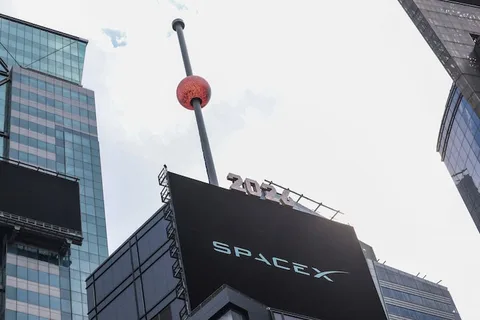
SpaceX is preparing to enter the energy infrastructure business to fuel its massive Starship Mars rocket. The aerospace giant, which recently went public in a historic June 2026 initial public offering, plans to break ground next month on an eight-mile (13-km) natural gas pipeline dubbed "Starpipe" to directly supply its Texas launch facilities. According to documents filed with the Texas Railroad Commission by SpaceX affiliate Lone Star Mineral Development, the pipeline will run to the company’s private town of Starbase and is slated to be in service by January 2027. The project is a critical piece of Elon Musk's grand strategy to dramatically accelerate Starship's launch cadence. The fully reusable, 40-story rocket requires a staggering 630,000 gallons (2.4 million liters) of liquid methane per flight. Currently, SpaceX relies on an inefficient, hours-long process involving hundreds of tanker trucks to deliver fuel. With Starship now slated to deploy everything from the Starlink network to orbital AI data center satellites, trucking in fuel is no longer viable for a company aiming for hundreds—and eventually thousands—of launches a year. While building a dedicated pipeline is highly unusual for a space corporation, it highlights SpaceX’s signature strategy of aggressively vertical-integrating its supply chain. County land records show that Starpipe is just the tip of the iceberg; SpaceX has quietly signed over 100 oil and gas leases across Texas since 2023. Company President Gwynne Shotwell recently confirmed plans to process propellant and even drill for natural gas directly. Engineering blueprints filed with the U.S. Army Corps of Engineers indicate that Starpipe will originate at the Port of Brownsville. From there, gas will be piped to Starbase, where SpaceX plans to construct a massive liquefaction facility to process the gas into liquid methane. Boasting a 16-inch diameter, the pipeline's capacity far exceeds the fuel requirements for Starship's currently FAA-approved limit of 25 launches per year, signaling that SpaceX is actively building out infrastructure for a massively expanded orbital future.
Source: Latest news from Azerbaijan