



04 Jul 2026
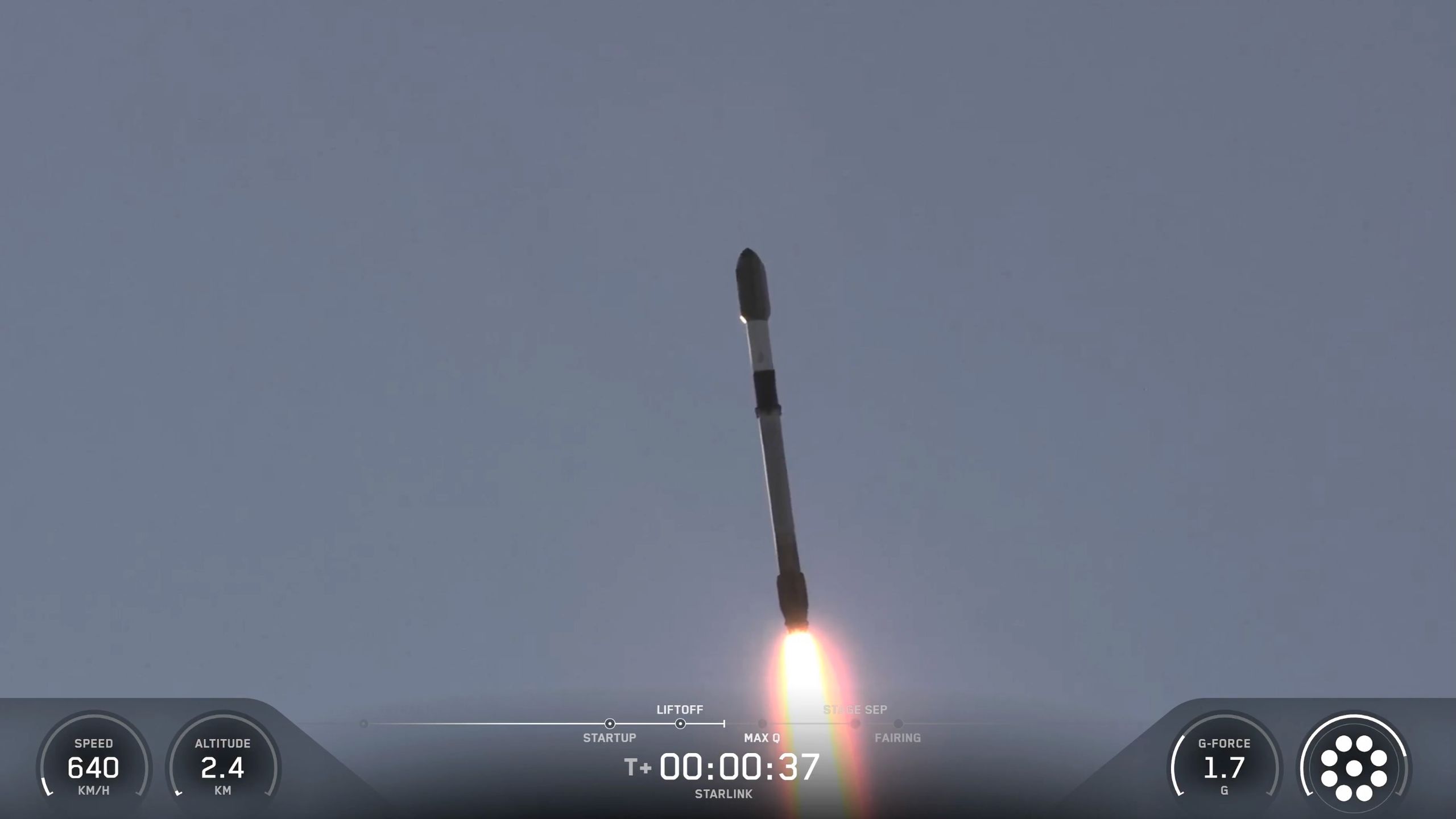
In April 2025, four private astronauts on SpaceX’s Fram2 mission became the first humans ever to circle Earth in a true polar orbit, flying directly over both …
Human spaceflight had crossed oceans, docked with stations, circled the Moon and lived in orbit for more than a year before anyone did something deceptively simple: fly people straight over both poles of Earth. That changed with Fram2. Launched by SpaceX at the end of March 2025 and flying through early April, the private mission carried four astronauts into a true polar orbit aboard Crew Dragon…

24 Jun 2026
Less than a third of the world's ocean floor has been mapped to modern standards, meaning humanity currently knows more about the surface of Mars than about th…
The Seabed 2030 project has lifted global ocean-floor coverage from 6% to approximately 28.7% since its launch in 2017. Four years remain to close the rest of the gap, and the physics of deep-ocean mapping make that a formidable task.

22 Jun 2026
Musk's original 2001 Mars plan was almost childishly simple: land a small greenhouse on the red planet to reignite public excitement for space, the seed idea t…
In the autumn of 2001, a 30-year-old Elon Musk sat in a Moscow hotel room with rocket scientist Jim Cantrell and aerospace consultant Mike Griffin, negotiating to buy refurbished Soviet Dnepr intercontinental ballistic missiles. He wanted to bolt a small robotic greenhouse onto the nose of one, fire it to Mars, and broadcast pictures of green shoots growing in red regolith back to Earth. He…
10 Jun 2026
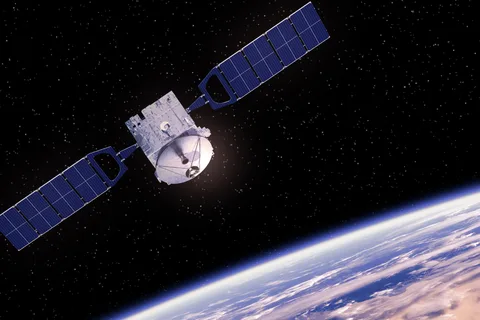
Iceye, a Finnish company that builds radar satellites that see through clouds and darkness, just hit a 10-billion-euro valuation — and the buyers weren't ventu…
Iceye’s satellites photograph the Earth through cloud, smoke, and total darkness, bouncing radar pulses off the ground from orbit instead of waiting for sunlight.

05 Jun 2026
China approved the world's first commercial brain implant before Neuralink — and the key difference is that NEO's sensors rest on top of the brain's protective…
In March 2026, China’s National Medical Products Administration approved NEO, a brain-computer interface developed by Shanghai-based startup Neuracle Technology with researchers at Tsinghua University, for commercial use in patients with paralysis caused by spinal cord injuries. It is the first invasive BCI to clear a national regulator for use beyond clinical trials anywhere in the world.…

03 Jun 2026
The Raptor 3 was supposed to be the engine that finally ended Starship's reliability problem — instead, on its first flight, several of them quit less than 20 …
SpaceX’s Raptor 3 engine — the powerplant the company has spent the better part of two years marketing as a simpler, more reliable replacement for the troubled Raptor 2 — failed multiple times in its maiden flight during exactly the kind of high-stress maneuver it was designed to handle.
13 May 2026
A Florida startup just raised $65 million to beam concentrated sunlight at satellites, and the customer list shows how fast orbital power is becoming a real ma…
Star Catcher Industries has raised $65 million to build what it calls the first power grid in space. The more important detail is not only the size of the round. It is the customer list forming before the company has completed its first dedicated in-space power-beaming demonstration.
13 May 2026
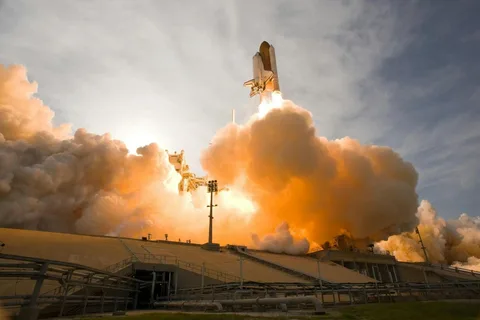
SpaceX is skipping the booster catch on Starship V3's debut flight — and the reason quietly reveals which milestone Musk actually cares about hitting before Ar…
SpaceX will not attempt to catch the Super Heavy booster on Starship V3’s debut flight. The booster will steer itself to a soft splashdown in the Gulf of Mexico instead of returning to the launch tower’s mechanical arms — the maneuver that became the defining image of the program on multiple V2 flights.